Headlight Clarity Restoration
Headlight Clarity Restoration
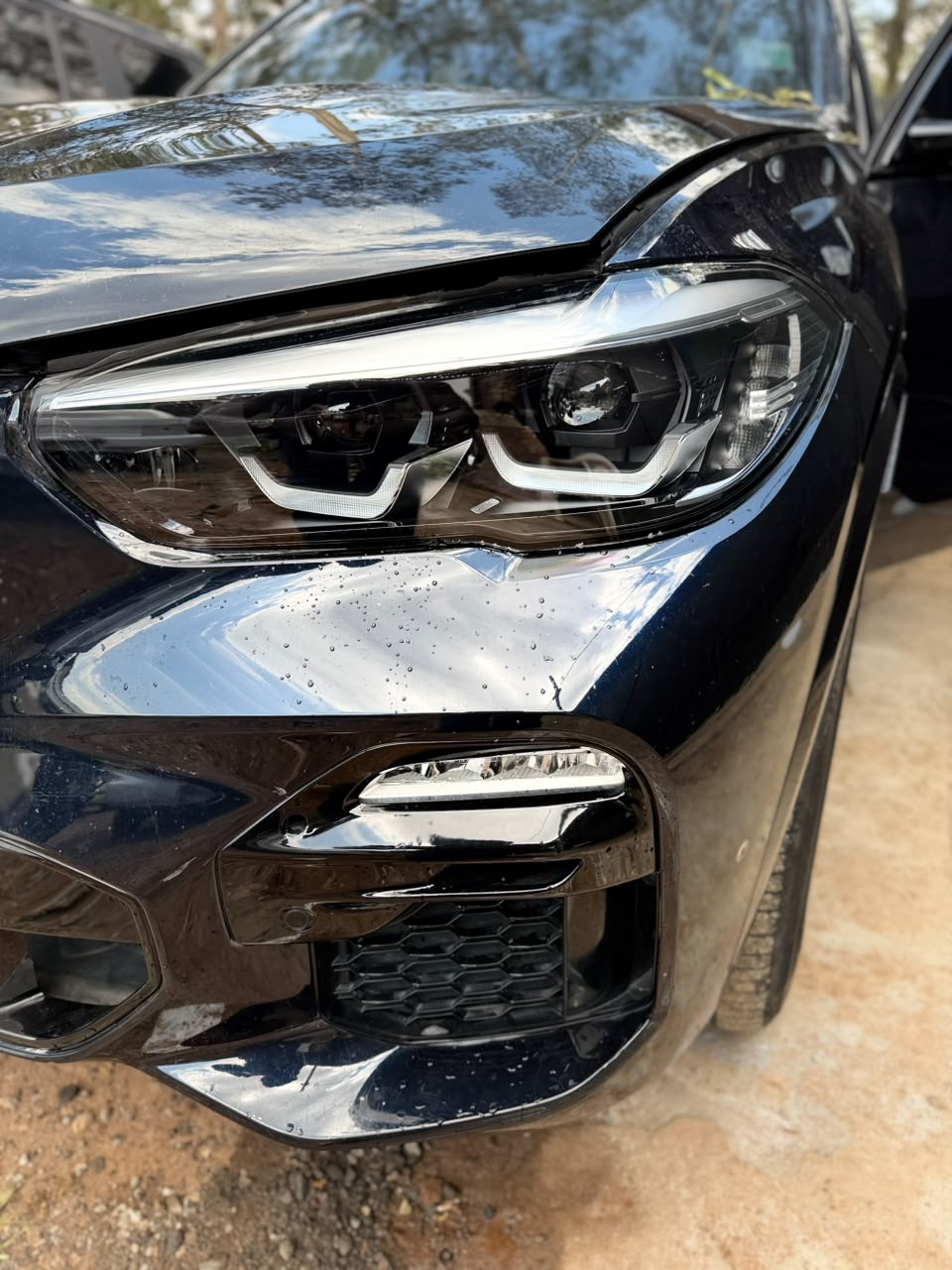
Cloudy, yellowed headlights do more than age the look of a car — they compromise your safety on the road. A lens that's lost its clarity can cut night-time visibility by up to 70%, and in Kenya, obscured headlights can fail NTSA roadworthiness inspections. Our Headlight Clarity Restoration removes the oxidised layer that causes the fog and re-seals the lens so it stays clear — restoring a factory-sharp look and dramatically improving night driving. Every job starts with a free inspection so you know exactly what we're working with and what result to expect.
- Free inspection & instant quote
- Multi-stage wet-sanding & polishing
- UV-blocking protective sealant included
- Written workmanship warranty
Why headlights turn yellow and cloudy
Most modern vehicles use polycarbonate headlight lenses rather than glass. Polycarbonate is lighter and more impact-resistant — but it's vulnerable to UV radiation. From the factory, these lenses are coated with a thin UV-protective film. Over years of exposure to Nairobi's intense sun, that film gradually breaks down, and the polycarbonate beneath it begins to oxidise. The result is the classic yellow, hazy, milky appearance you see on so many older cars.
The problem accelerates with heat from the bulbs, dust abrasion, and chemical exposure from car washes and pollution. Once the UV film has fully broken down, the lens will keep degrading unless it's properly restored and re-sealed. Simply polishing the surface without re-sealing is a temporary fix — it looks better for a few weeks and then returns.
Why it matters more than most owners realise
Headlight clarity is a safety issue, not just a cosmetic one. A clouded lens scatters light instead of focusing it — meaning less light reaches the road, and more glare is thrown toward oncoming traffic. Studies on headlight degradation have found that visibility can drop by as much as 70% in severely oxidised lenses. That's the difference between seeing a pedestrian at 60 metres and seeing them at 18 metres — a serious gap at highway speeds.
In Kenya, headlight condition is also one of the checks performed during NTSA roadworthiness inspections. Obscured or non-functional headlights can fail an inspection outright, resulting in unnecessary repeat visits and delay. A properly restored pair of lenses brings the car back within compliance and can be completed in a single visit.
How the process works
Inspection & Masking
The lenses are inspected to confirm they can be restored (not cracked or internally damaged). Surrounding paintwork and trim are carefully masked off so the sanding and polishing stages cannot touch the body.
Multi-Stage Wet Sanding
We work progressively through finer grits of wet sandpaper — typically 800, 1500, 2000 and 3000 — to remove the oxidised layer evenly. This is the critical stage that most DIY kits skip or rush, leaving uneven patches or scratches behind.
Machine Polishing
The sanded lens is polished with a cutting compound and then a finishing polish on a machine polisher. This step removes the fine scratches from sanding and brings the polycarbonate back to optical clarity.
UV Protective Sealing
The freshly polished lens is coated with a UV-blocking sealant — the step that makes our restoration last. This replaces the factory UV film that degraded, and protects the lens from re-oxidising for years. Without this stage, the yellowing would return within weeks.
Quality Check
Both lenses are inspected in direct and angled light to confirm matched clarity, and road-tested for beam pattern if required. Any exterior imperfections are flagged to you honestly.
What's achievable — and what isn't
Restoration works brilliantly on surface oxidation — the yellow haze and cloudiness that develops on the outer plastic. But there are limits, and we'd rather be upfront about them:
Fully restorable
Surface yellowing, cloudiness, light surface scratches, water spots and general dullness. Restored to near-factory clarity in 90% of cases.
Improved but not perfect
Deep scratches, minor internal haziness, or lenses that have had previous poor-quality restorations. Clarity typically improved by 70–85%.
Not restorable
Cracked lenses, internal moisture ingress, or severe UV damage that has penetrated deep into the polycarbonate. In these cases we recommend replacement.
Maintenance tips to keep your headlights clear
Once restored and sealed, a lens stays clear for years — if you follow a few simple habits:
- Wash the lenses with the rest of the car — regularly removing dust and road film reduces the abrasive wear that accelerates oxidation.
- Apply a UV-protective wax or sealant every 3–6 months. Even after restoration, the lens benefits from ongoing UV protection, especially in Kenya's climate.
- Park under shade where possible — direct sun exposure is the single biggest cause of headlight oxidation. Shade dramatically extends lens life.
- Consider paint protection film (PPF) on the lenses — a clear film adds physical protection against stone chips and a UV barrier in one.
- Avoid harsh household cleaners — bleach, ammonia and aggressive degreasers can strip the sealant coat and speed up oxidation.
- Check and clean the interior of the headlight housing occasionally — moisture and dust inside the housing can reduce light output even with a perfect exterior lens.
How often should you restore headlights?
With our UV-sealed restoration, lenses typically stay clear for 2–3 years, and up to 5+ years with regular protective wax. Without sealing, or in high-UV environments with outdoor parking, you may need top-ups every 6–12 months. For most Nairobi drivers, a professional restoration once every 2–3 years — plus light ongoing care — is enough to keep the lenses looking and performing like new.
Why choose DOP RESPRAY & DETAILING for headlight restoration?
Headlight restoration looks simple in YouTube videos — but the difference between a professional job and a DIY attempt shows within weeks. Our technicians use a proper multi-stage wet-sanding process, machine polish to optical clarity, and finish with a genuine UV-blocking sealant that most quick-fix services skip entirely. We also mask paintwork carefully, so there's no risk of scratches to the body during the sanding process.
If your lenses are too far gone to restore, we'll tell you honestly and recommend replacement rather than take your money for a job that won't last. That honesty is why customers come back.
Frequently asked about headlight restoration
How long does headlight restoration take?
Will restoration last, or will the yellowing come back?
Can you fix scratched or cracked headlights?
Is restoration cheaper than replacing headlights?
Does restoration improve night visibility?
Can you restore just one headlight?
Do you also polish the inside of the headlight?
How much does headlight restoration cost?
Get an instant quote for Headlight Clarity Restoration
Free inspection, personalised pricing, and honest advice — ready in under two minutes.