Machine Paint Correction
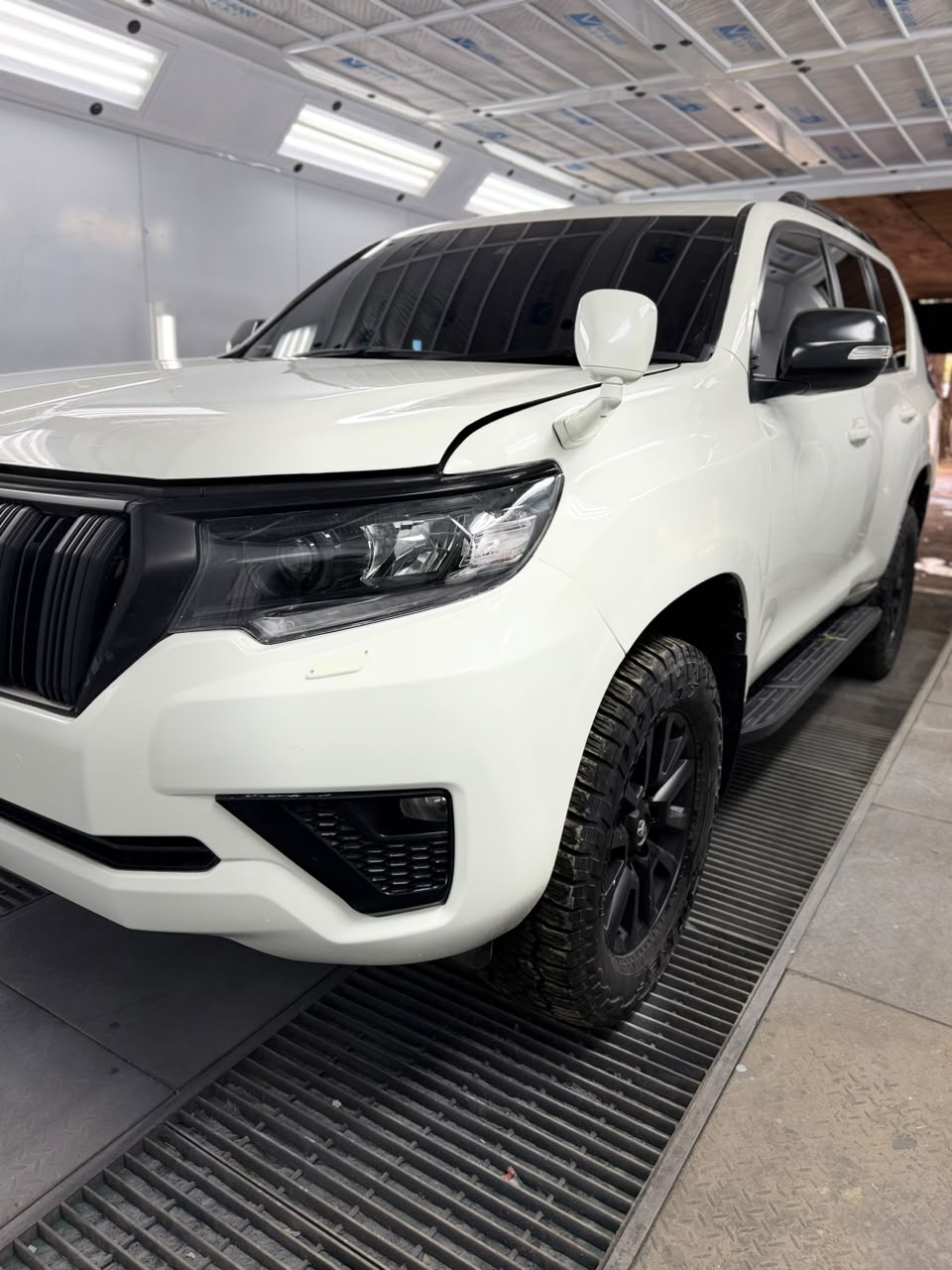
Machine Paint Correction
Machine paint correction is the process that transforms dull, swirled or scratched paint back to a deep, mirror-like gloss — safely removing layers of defects rather than hiding them under wax. It's the difference between a car that looks clean and a car that looks genuinely restored. Every job at DOP RESPRAY & DETAILING starts with a free inspection under controlled lighting, so you know exactly what we're correcting, why, and what the finish will look like before we start.
- Free inspection & instant quote
- OEM-safe compounds, pads and tools
- Multi-stage correction for deep gloss
- Written workmanship warranty
What is machine paint correction, exactly?
Paint correction is a controlled, multi-stage polishing process that removes microscopic layers of clear coat to eliminate surface defects. Under the right lighting, most daily-driven cars show a spiderweb of fine scratches known as swirl marks, caused by incorrect washing, dusty cloths, and years of sun exposure. Over time, these defects dull the paint's ability to reflect light, making even a "clean" car look flat and tired.
Unlike waxing or glazing — which temporarily fill defects — machine correction removes them. The result is paint that reflects light like glass, with colour depth that looks richer, sharper and genuinely newer. Done properly, the finish can last years, especially when protected afterwards with a ceramic coating.
Signs your car needs paint correction
If you notice any of the following, your paint would benefit significantly from a professional machine correction:
- Fine spiderweb scratches visible in direct sunlight
- Dull, hazy or chalky-looking paint (oxidation)
- Holograms or buffer trails left by a previous detailer
- Water spots that won't wash off
- Paint that looks flat rather than deep and glossy
- Light scratches from keys, branches or car wash brushes
How the process works
Inspection & Paint Depth Reading
Before touching your car, we measure clear coat thickness across every panel with a paint depth gauge, and inspect under LED and natural light. This tells us exactly how much material we can safely remove — critical for avoiding burn-through or over-polishing.
Decontamination Wash
The car is washed using a two-bucket method, then chemically decontaminated to remove tar, tree sap, iron fallout and bonded industrial pollutants. Any contamination left on the paint during polishing would drag and cause new scratches — this stage cannot be skipped.
Clay Bar Treatment
A clay bar removes the last microscopic layer of bonded contaminants, leaving the paint glass-smooth. After claying, the surface is wiped down with isopropyl alcohol so we're polishing clean paint — not dirt.
Machine Correction (Cutting Stage)
Using a dual-action or rotary polisher with a cutting pad and compound, we systematically remove scratches, swirls and oxidation panel by panel. This is where the bulk of the correction happens — it's slow, methodical work.
Refinement Stage (Polishing)
A softer pad with a finer polish removes the micro-marring left by the cutting stage, bringing the finish up to maximum gloss. This is the step that separates a "buffed" car from a genuinely corrected one.
Final Inspection & Protection
The paint is inspected under controlled lighting from multiple angles. Only when it passes does the car move to protection — either a quality sealant or, for longer-lasting results, a ceramic coating. We hand over with care instructions in writing.
What correction levels mean for your car
Not every car needs the same depth of correction. Depending on the state of your paint and your goals, we'll recommend one of three levels:
Stage 1 — Enhancement
A single-stage polish that removes light swirls and boosts gloss by roughly 50–70%. Ideal for newer cars or well-maintained paint. Fastest turnaround, lowest cost.
Stage 2 — Correction
A two-stage cut-and-refine that removes the majority of defects (80–90%) for a deep, glassy finish. The most popular option for daily-driven cars.
Stage 3 — Full Correction
A multi-stage process that removes 95%+ of defects for a concours-level finish. Best for show cars, classic restorations or vehicles being prepped for ceramic coating.
Maintenance tips to keep your correction looking new
A paint correction is an investment. Here's how to protect it — and why the next few weeks matter most:
- Wash with the two-bucket method — one bucket for soapy water, one for rinsing. Never use a sponge; use a plush microfibre wash mitt.
- Avoid automatic car washes with brushes — they're the single biggest cause of swirl marks returning within weeks.
- Dry with a clean microfibre towel, not a chamois or old cloth. Pat dry where possible; don't scrub.
- Apply a protective sealant or ceramic coating within 30 days of correction — this locks in the gloss and adds a sacrificial layer against new scratches.
- Remove bird droppings, insect remains and tree sap immediately — they're acidic and etch into clear coat within hours in Nairobi's sun.
- Park under shade or use a car cover where possible. UV exposure is what oxidises paint over time.
- Top up protection every 3–6 months with a spray sealant or detailer to maintain gloss and hydrophobic behaviour.
How long does it last — and how often should you correct?
A properly executed paint correction can hold its gloss for 1–2 years if the car is hand-washed correctly, or 3–5 years or more if protected with a quality ceramic coating. In Nairobi's climate, the combination of strong UV, dust and frequent rain means paint deteriorates faster than in cooler markets — which is exactly why correction paired with protection is the smartest long-term approach.
For most daily-driven cars, a Stage 2 correction every 2–3 years, with periodic top-ups in between, is enough to keep the paint looking genuinely showroom-fresh. Cars kept outdoors, driven on dusty roads or washed incorrectly will need attention sooner.
Why choose DOP RESPRAY & DETAILING for paint correction?
Paint correction is one of those services where the difference between a great result and a damaged one comes down to skill, patience and equipment. At DOP, we use paint depth gauges on every panel before we polish, work in a dust-controlled environment, and use proven compounds and pads matched to your specific paint type. We refuse to offer "quick buffs" — because a rushed correction strips clear coat without removing the defects properly, and the car ends up looking worse six months later.
Every correction at our Karen studio is followed by a written report of what was done, the depth levels measured before and after, and clear care instructions. If we ever advise that a car's paint is too thin to correct safely, we'll tell you honestly — and recommend an alternative like a respray or a protective wrap.
Frequently asked about paint correction
Will paint correction remove all my scratches?
Is machine polishing safe for my paint?
How long does a full correction take?
Do I need a ceramic coating after correction?
Can you correct faded or oxidised paint?
Will correction fix holograms left by another detailer?
How much does machine paint correction cost?
Can I book just a panel or two instead of the whole car?
Get an instant quote for Machine Paint Correction
Free inspection, personalised price, and honest advice — all in under two minutes.