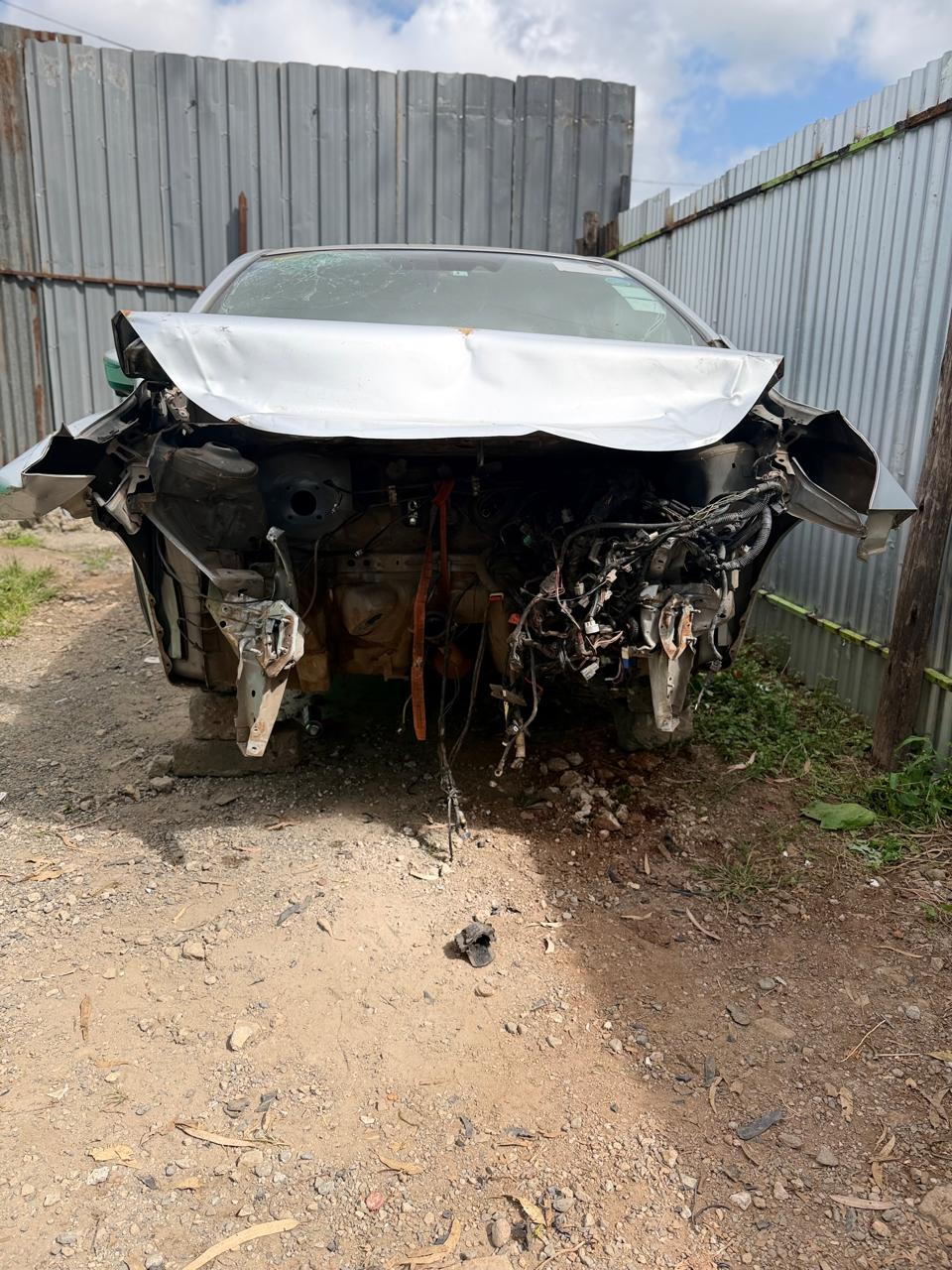
When you've just had an accident, the only thing you want is your car back. Every day without it feels like a week — the school run becomes a logistical nightmare, the commute eats hours, and the whole situation feels like it's holding your life hostage. In that state, the promise of a "3-day fix" is almost impossible to turn down. But here's the uncomfortable truth about accident repair: the fastest repairs are usually the ones that fail the soonest.
At our Karen workshop, we see the aftermath of rushed repairs every month — cars that look fine for 6 months and then start showing misaligned panels, rust bubbling through paintwork, or structural issues that would have been caught in a proper repair. This article explains, honestly, why good accident repair takes the time it does. Not to defend slowness for its own sake, but because understanding the process helps you make better decisions about your own car.
What "accident repair" actually involves
Most people picture accident repair as "straighten the panel, spray some paint, done." In reality, a proper repair is a multi-stage process, and each stage matters for safety and longevity. Here's what a genuine repair looks like:
Add those up and you're looking at 3–10 working days minimum for a moderately complex repair — before accounting for parts sourcing and insurance approval. A rushed "2-day fix" skips most of these stages. That's how you get problems.
The three reasons proper repair can't be rushed
Three specific factors make rushing accident repair dangerous, regardless of how skilled the technician is:
1. Hidden damage needs time to reveal itself
When a car is involved in a collision, the damage doesn't stop at the visible panel. Energy from the impact spreads through the structure. A dent on the wing might mean a bent inner wing, a misaligned subframe, a compromised mounting point, or damage to a suspension tower. None of that is visible until the outer panels are removed.
The only way to properly assess this is to disassemble. And to disassemble properly takes time. A quick "assess-and-quote in 30 minutes" job, common in some workshops, will often miss these issues — leading to a repair that looks fine on delivery but develops alignment problems, uneven tyre wear, or handling issues within months.
2. Paint and materials need time to cure
Paint is a chemical process. Body filler needs to set fully before sanding. Primer needs to be completely dry before base coat. Base coat needs to properly flash between coats. Clear coat needs to be applied at the right moment in the process. Each stage has a minimum drying time, and rushing those times produces defects — orange peel in the finish, trapped solvents that cause future blisters, or poor adhesion between coats.
We've seen cars where the entire paint job peeled within a year because the sealer wasn't allowed to flash properly between coats. It's completely preventable with patience — and completely unfixable once it's happened.
3. Structural realignment is precise work, not fast work
If your car's chassis or subframe has bent even slightly, realigning it to factory dimensions isn't a matter of brute force. It requires hydraulic pulling equipment, measurement tools (including laser measuring systems on modern cars), and a technician with the experience to know exactly how much to pull and when to stop.
Over-pulling causes stress cracks in the metal. Under-pulling leaves the structure misaligned. Both can mean problems — from uneven tyre wear to dangerous handling at speed. This stage is essentially never rushed in a proper repair, and it's the stage a rushed workshop skips entirely.
What rushing accident repair looks like
In our workshop, we see the outcome of rushed repairs regularly. Here's what "quick and cheap" actually delivers:
Where the delay usually comes from
When a repair takes longer than expected, it's rarely because we're being slow — it's usually one of these factors:
- Insurance approval. This is often the biggest single delay. From damage report to authorisation can take 1–7 working days, and it's entirely outside our control. Once we've submitted the assessment, we're waiting on your insurer.
- Parts availability. Modern cars — especially imported models — can have parts lead times from 3 days to 3 weeks depending on what's needed. We order as soon as we know what's required.
- Hidden damage discovery. During disassembly, we sometimes find damage that wasn't visible in the initial assessment. We call the customer immediately and adjust the timeline — never proceed silently.
- Paint cure time. Modern clear coats need proper curing for durability. Infrared curing accelerates this, but rushing it still shortens the paint's life.
- Complex structural work. If the car needs chassis or subframe realignment, this takes as long as it takes. It can't be rushed without compromising safety.
- Seasonal workshop load. In peak seasons (June–August, and again in December), workshops across Nairobi are fully booked. Booking early in the process avoids queueing behind other jobs.
The honest answer is that a "reasonable" accident repair timeline depends heavily on these factors. Some jobs finish in a week; others take three weeks. What matters is that the time is used properly, and that you're kept informed throughout.
How we handle accident repair at DOP
To make the process as transparent and predictable as possible for our customers, we've built a set of practices into every accident repair:
What you can do to speed things up
While most of the timing is outside your control, a few things genuinely speed up your repair:
- Report the accident to your insurer immediately. Even if you haven't decided where to repair the car yet, notify your insurer within 48 hours. It starts the claim clock.
- Get the police abstract if needed. For any accident with injuries or significant damage, you need the abstract for insurance. Chase it early.
- Choose your workshop early and stick with it. Changing workshops mid-claim restarts the assessment process and adds days.
- Send clear photos of the damage upfront. We can often pre-assess and start ordering parts before the car even arrives at our workshop.
- Be responsive when we call. When we find hidden damage or need a decision, quick answers from you keep the repair moving. Delays usually happen waiting on customer or insurer replies.
- Book in the dry season if possible. If your repair isn't urgent, June–August is the ideal window. Rain slows down paintwork and curing, and workshops are busier during rainy periods because of more accidents.
Frequently asked questions
The bottom line
Proper accident repair takes time because there's no shortcut to doing it right. Hidden damage needs disassembly to reveal. Paint needs to cure. Structural realignment needs precision, not speed. A rushed repair might get your car back to you a few days sooner — but you'll likely pay for that speed within a year or two, when the panel gaps don't line up, the paint peels, or you discover a safety issue that was never fixed properly.
At DOP, we give honest timelines upfront, we keep you informed throughout, and we never compromise the repair for speed. If you're facing an accident repair — insurance or private — call us on 0775-358-836 or book a free assessment at our Karen studio. We'll tell you exactly what needs doing, how long it will take, and what it will cost.
Facing an Accident Repair?
Book a free damage assessment at our Karen studio. We work with all major Kenyan insurers, handle the paperwork, and give you a firm timeline upfront. No obligation to book with us.